Skip to content
Insights & Intelligence

Insights

Practical perspectives on AI agent teams, business automation, and operational strategy across every industry.

AI Agents & Human Oversight: What You Need to Know
AI Agent Teams

AI Agents & Human Oversight: What You Need to Know

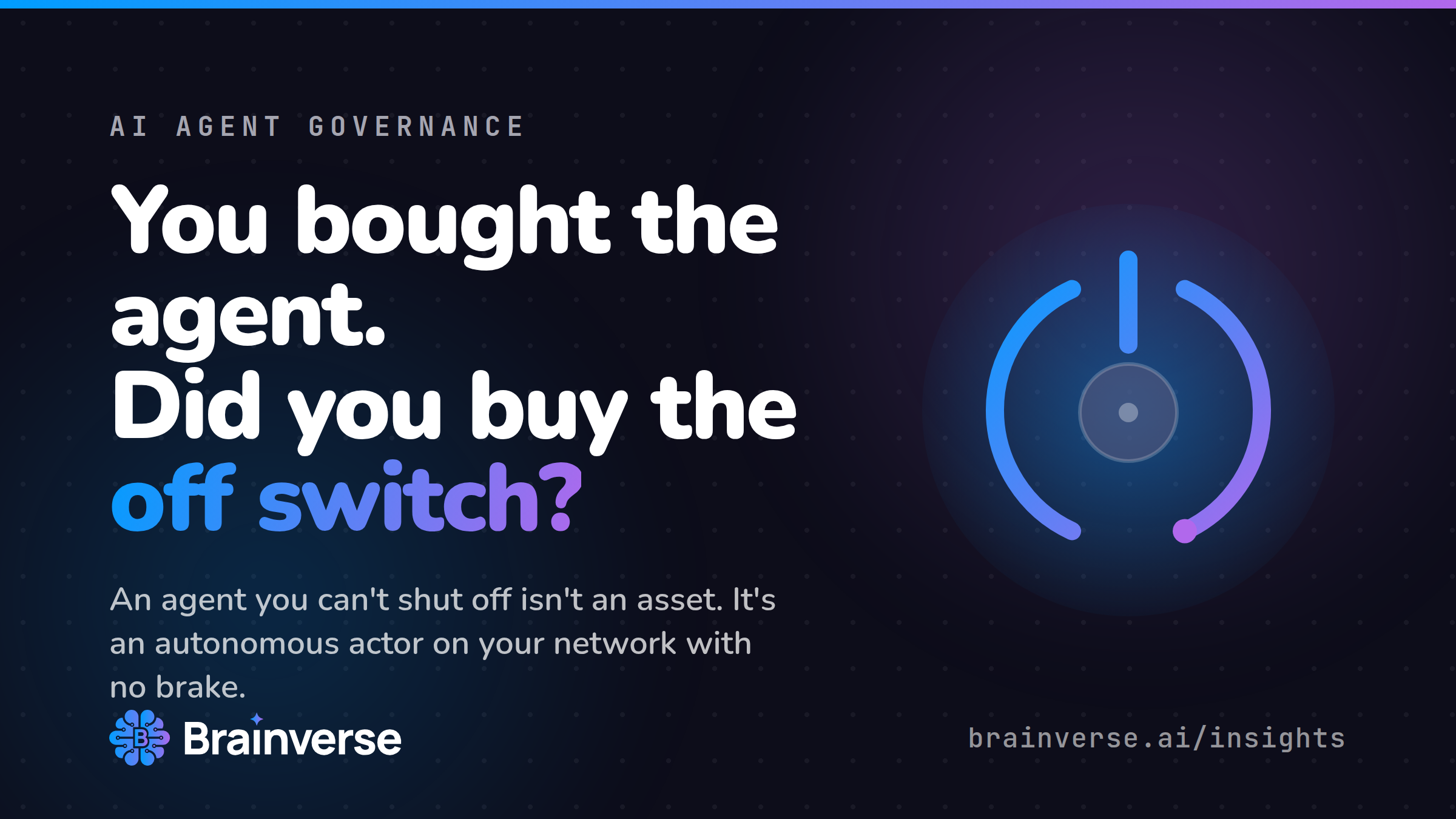
AI agents can execute dozens of decisions before a human reviews a single one. That autonomy is powerful and genuinely risky without the right controls in place. This guide explains what human oversight of AI agents actually means, how it works in practice, and what regulatory frameworks now require. You will learn the difference between real oversight and monitoring theater, where legal liability falls when agents make errors, and how to build a tiered oversight framework that protects your organization without eliminating the efficiency gains that make AI agents worth deploying in the first place.

Brainverse·Jul 10, 2026·11 min read
AI Agents vs RPA: Which Automation Actually Delivers for Mid-Market?
AI Agent Teams

AI Agents vs RPA: Which Automation Actually Delivers for Mid-Market?

Most mid-market companies are betting their automation future on the wrong technology. While RPA dominated the last decade, AI agents are revolutionizing process automation with superior adaptability, lower maintenance costs, and intelligent decision-making capabilities. This comprehensive comparison reveals why AI agents deliver 60% better exception handling and 40% lower maintenance costs, making them the strategic choice for businesses facing complex, variable processes. Learn which technology fits your specific needs and how to make the right automation investment for long-term competitive advantage.

Brainverse·Jun 29, 2026·11 min read
How AI Agents Work Together: The Complete Coordination Playbook
AI Agent Teams

How AI Agents Work Together: The Complete Coordination Playbook

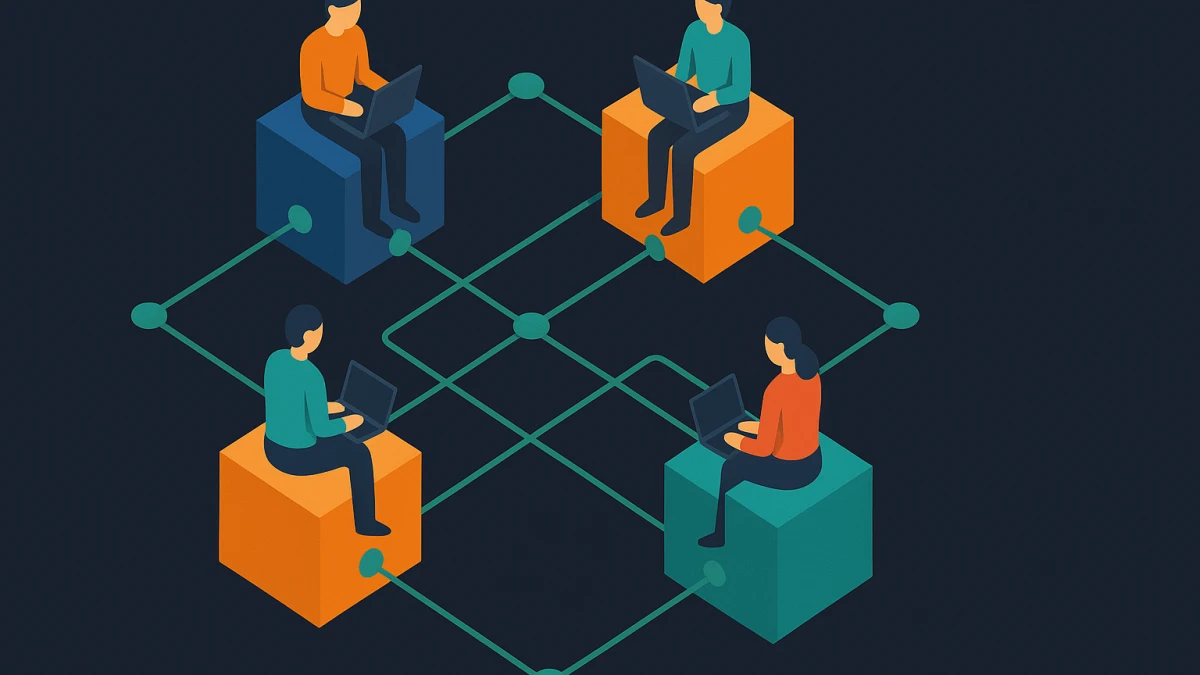
Multi-agent AI systems achieve breakthrough productivity by establishing clear communication protocols, intelligent task distribution, and robust coordination patterns. This comprehensive guide reveals how to implement hierarchical, peer-to-peer, and pipeline coordination models that allow multiple AI agents to collaborate seamlessly. Learn the essential architecture components, fault tolerance mechanisms, and proven strategies that leading organizations use to build reliable agent networks delivering consistent results.

Brainverse·Jun 19, 2026·10 min read
Why Your AI Agents Sit Unused: The Hidden Adoption Crisis
AI Agent Teams

Why Your AI Agents Sit Unused: The Hidden Adoption Crisis

Most organizations celebrate AI agent deployment but ignore the adoption crisis that happens afterward. Companies invest heavily in the technology, yet the agents often sit unused, creating expensive digital shelf-ware. The problem is not technical, it is human. Users resist AI agents because of trust deficits, integration friction, and invisible value. Success requires treating adoption as a change management challenge, not just a technical deployment. Organizations that focus on transparency, user-centric design, and gradual capability expansion see materially stronger long-term adoption than those that track only technical metrics.

Brainverse·Jun 8, 2026·10 min read
AI Agent Teams Explained: The 13 Questions Every Leader Asks
AI Agent Teams

AI Agent Teams Explained: The 13 Questions Every Leader Asks

Managing AI agent teams isn't like managing humans, and the questions flooding executive inboxes prove it. From performance monitoring to governance frameworks, this comprehensive guide answers the 13 most critical questions business leaders ask about orchestrating AI agent teams effectively. Learn how to establish clear coordination protocols, implement robust quality control systems, and build sustainable human-agent collaboration that scales with your business needs.

Brainverse·May 27, 2026·12 min read
Top 10 Things AI Agents Can Do That Chatbots Can't
AI Agent Teams

Top 10 Things AI Agents Can Do That Chatbots Can't

While chatbots excel at conversation, AI agents revolutionize business operations through autonomous task execution, persistent learning, and strategic planning. These advanced systems can independently manage complex workflows, integrate multiple platforms, and proactively solve problems without human intervention. Understanding these capabilities is crucial for businesses looking to gain competitive advantage through intelligent automation.

Brainverse·May 22, 2026·8 min read
How to Build Your First AI Agent Team Without Breaking the Bank
AI Agent Teams

How to Build Your First AI Agent Team Without Breaking the Bank

Most business leaders think AI agent teams require massive budgets and technical expertise. This comprehensive guide proves otherwise, showing you how to deploy your first profitable AI agent team in under 30 days using accessible no-code tools. Learn the exact process successful companies use to identify high-impact use cases, design effective agent architectures, and scale systematically while avoiding common implementation pitfalls.

Brainverse·May 14, 2026·10 min read
AI Agents Demystified: The Business Leader's Guide to Autonomous AI
AI Agent Teams

AI Agents Demystified: The Business Leader's Guide to Autonomous AI

AI agents are autonomous digital employees that can transform business operations, but most leaders confuse them with basic chatbots. This comprehensive guide explains what AI agents actually are, the four types transforming business, real-world applications that work, and honest limitations you need to know. Learn how to identify the right use cases, choose between building vs buying, and implement agents successfully in your organization.

Brainverse·Apr 8, 2026·11 min read
AI Infrastructure Bottlenecks Explained: Why Your GPU Isn't the Problem
AI Agent Teams

AI Infrastructure Bottlenecks Explained: Why Your GPU Isn't the Problem

While teams spend millions on the latest GPUs, their AI models crawl because of hidden infrastructure bottlenecks. Memory bandwidth limits, storage I/O constraints, and CPU-GPU communication breakdowns create expensive idle time. Most AI performance problems aren't GPU problems—they're bottlenecks in components nobody thinks to optimize. Understanding these chokepoints can unlock 10x improvements without buying new hardware.

Brainverse Team·Mar 31, 2026·7 min read